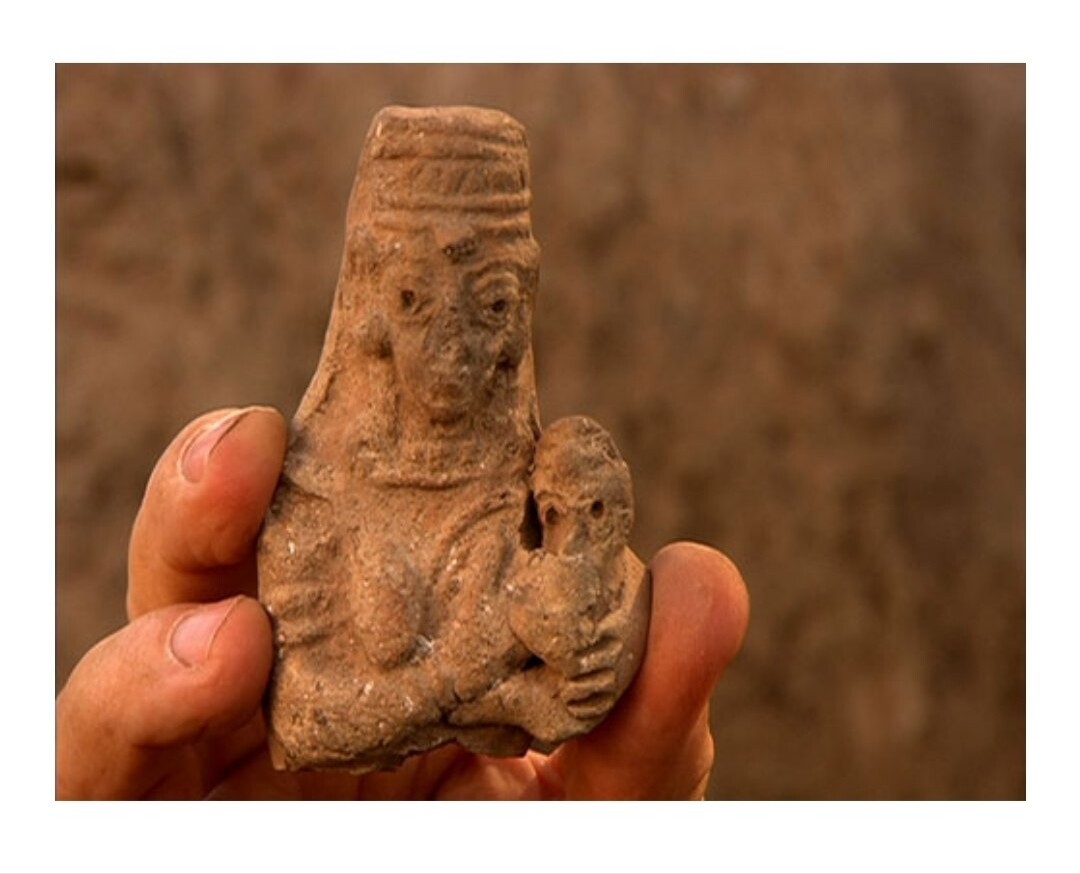
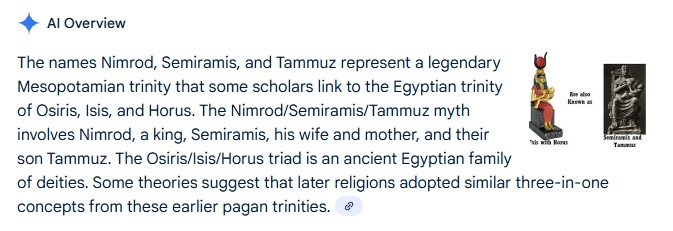
Supplement to the trinity, in the posts above.
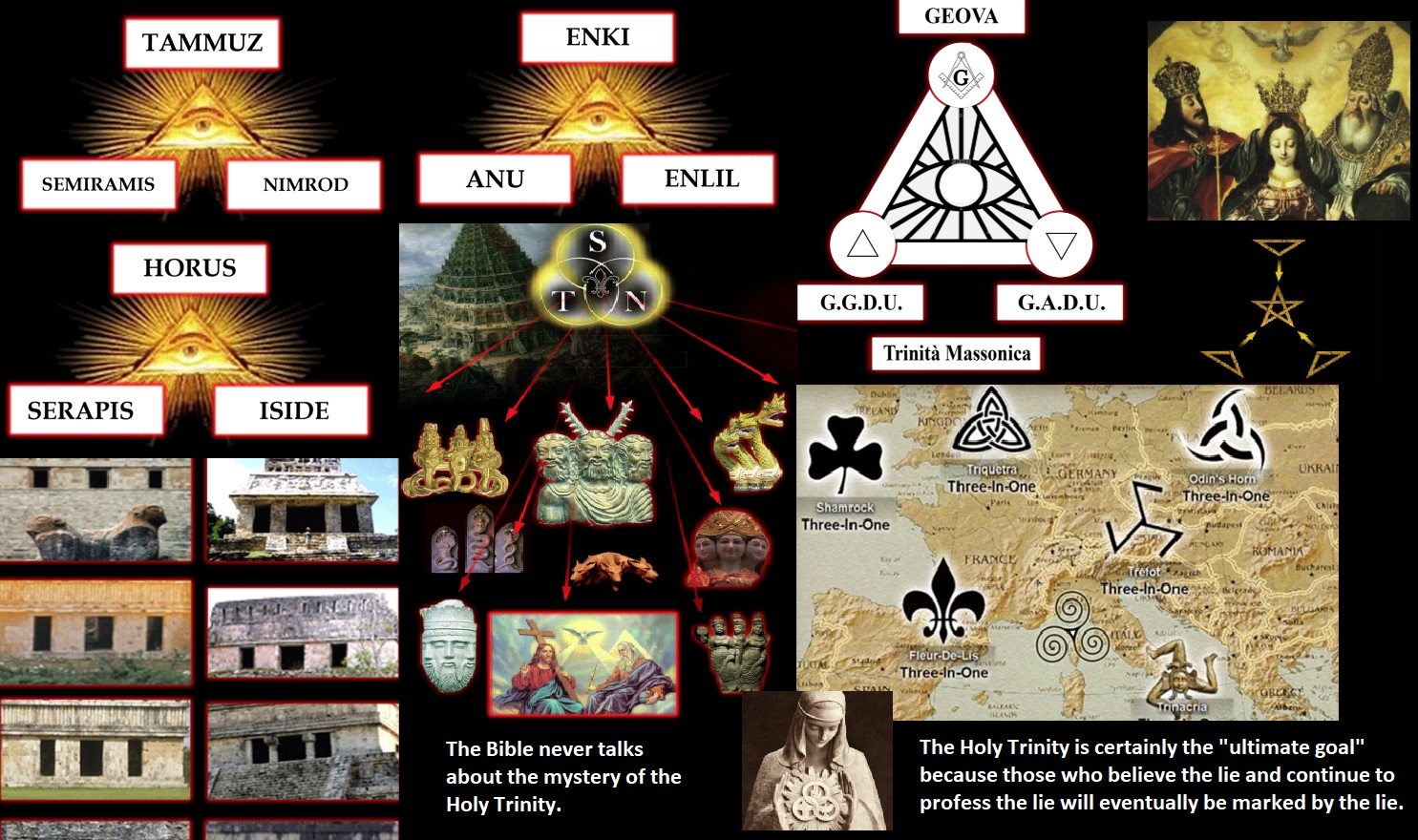
The Trinity is revered in all mystery religions. The “universal Church” consists of two great “churches” in apparent contradiction:
The Roman Catholic Church is called the “Church of Peter” and represents an exoteric church intended for the masses.
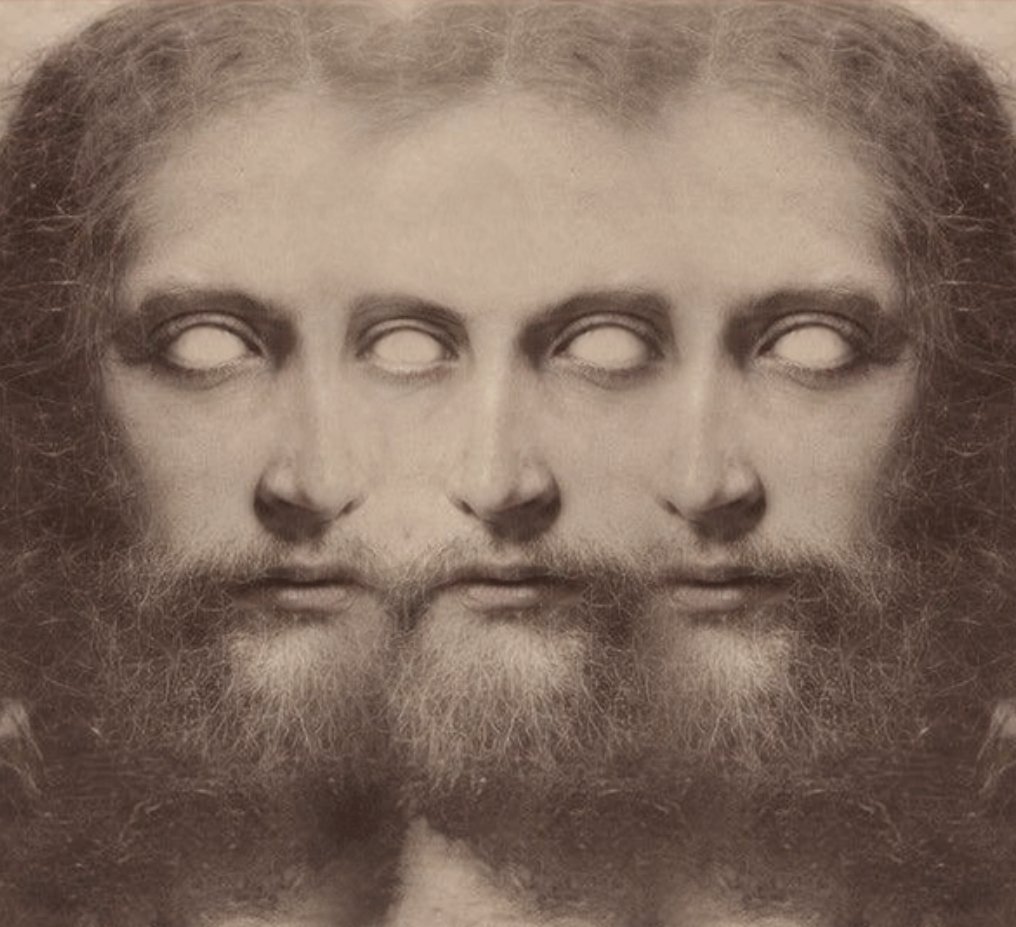
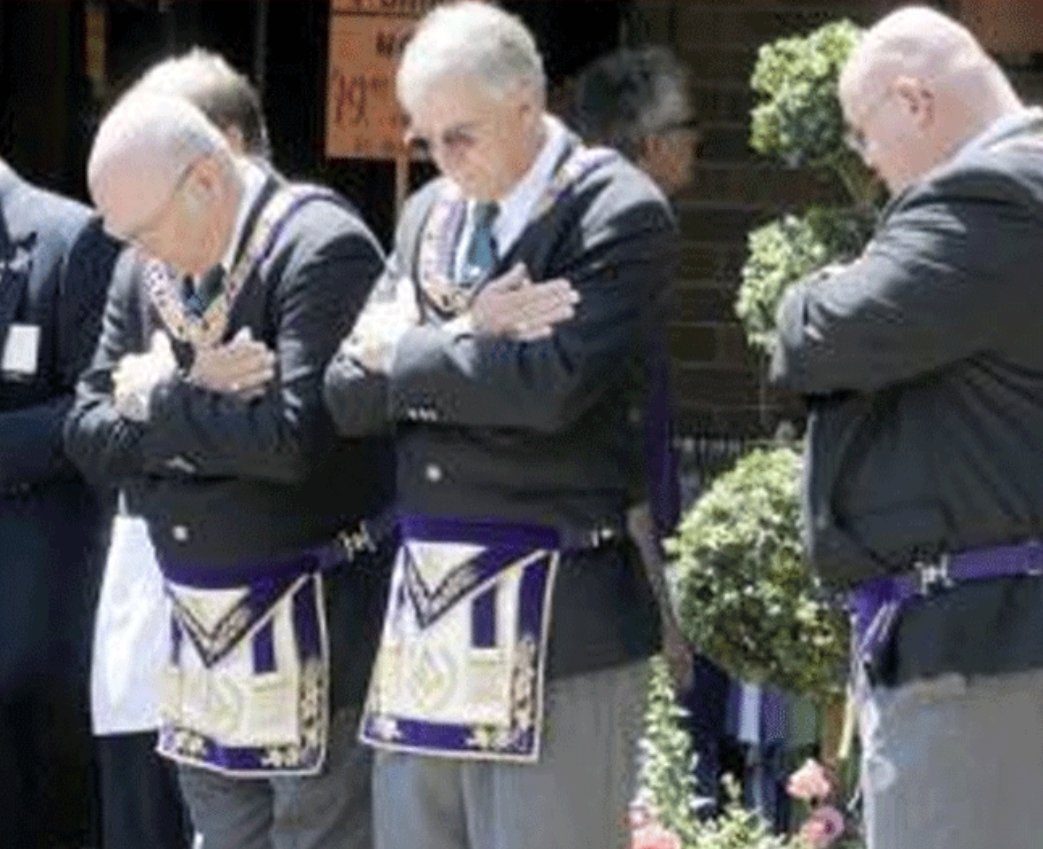
The Masonic Church is otherwise called the “John’s Church” and represents an esoteric church, reserved for “initiates”.

The formal doctrine of the Trinity was the result of several insufficient attempts to clarify who and what the Christian God really is… To deal with these problems, the Church Fathers met in [AD] 325 at the Council of Nicaea to establish an orthodox biblical definition regarding divine identity." However, it was not until 381 that “the divinity of the Spirit was confirmed at the Council of Constantinople.”
Although Tertullian introduced the term “trinity”, what he taught and believed was different from what the doctrine of the trinity is today. And since he introduced this term, it means that the doctrine of the Trinity as taught today did not exist in Tertullian’s time. And if it did not exist in his day, it could never have existed in the time of Christ and the apostles.
Tertullian, however, introduced pagan ideas into worship. He taught about sacrifices for the dead and made the sign of the cross on the foreheads of the faithful. He also immersed people three times to baptize them. Tertullian openly admitted that he adopted these ideas from pagan teachings and could not support them with Scripture, but he believed that if Christians adopted some of the pagan rituals of the pagans, it would be easier for them to join Christianity.
According to Wikipedia, Tertullian’s views on the Deity are as follows:
Tertullian was only the forerunner of the Nicene doctrine and did not state an immanent trinity. His use of trinitas (Latin for “Trinity”) emphasized the multiple nature of God. In his treatise against Praxeas he used the words: “Trinity and economy, persons and substance”. The Son is separate from the Father, and the Spirit from the Father and the Son. “These three are one substance, not one person; and it was said, ‘I and my Father are one,’ not because of the singularity of number, but the unity of substance.” In his book Tertullian against Praxseas also states that the Son was not co-eternal with the Father and had a beginning as the begotten Son of God. He also did not teach that the Holy Spirit was a literal being. Thus, the doctrine of the trinity as we know it today does not even come from the man who introduced the word Trinity .